

laminated double glazed units
Understanding Globe Valves A Focus on the 150 Class Globe valves are a vital component in various industrial applications, particularly in controlling the flow of liquids and gases. Among the myriad versions of globe valves available, the 150 class globe valve stands out due to its robust design and versatility. In this article, we will explore what a globe valve is, the characteristics of the 150 class, and its applications in different industries. What is a Globe Valve? A globe valve is a type of valve used to regulate fluid flow in a pipeline. It consists of a movable disk (the plug) and a stationary ring seat, which together form a barrier that can be opened or closed to allow or restrict the fluid passage. The design enables greater control over flow rates and is typically used in throttling applications. Globe valves are known for their excellent sealing capability and are less prone to leakage, which makes them ideal for high-pressure and temperature applications. Characteristics of the 150 Class Globe Valve The 150 in the term 150 class globe valve refers to the American National Standards Institute (ANSI) pressure rating. Specifically, it is designed to handle working pressures of up to 150 psi (pounds per square inch) at temperatures of up to 366°F (185°C). This makes the 150 class globe valve suitable for a variety of industrial processes where moderate pressure control is required. One of the most notable characteristics of the 150 class globe valve is its construction. Typically, these valves are made from durable materials such as cast iron, stainless steel, or brass, depending on the application and the type of fluid being transported. The choice of materials ensures that the valve can withstand corrosion, erosion, and high temperatures, contributing to a longer service life. Applications in Various Industries globe valve 150 The 150 class globe valve is widely used across several industries, including water treatment, oil and gas, petrochemical, and power generation. 1. Water Treatment In water treatment facilities, globe valves are used to control the flow of water through different processes, such as filtration and disinfection. Their precision in flow regulation is critical for maintaining the quality and safety of drinking water. 2. Oil and Gas Within the oil and gas sector, these valves play a crucial role in pipeline systems. They help manage the flow of crude oil and natural gas, ensuring efficient and safe transfer from extraction points to processing facilities. 3. Petrochemical Industry The petrochemical industry benefits from the robust nature of the 150 class globe valve, as it handles volatile and corrosive chemicals during production processes. The ability to maintain tight sealing under varying conditions is essential in preventing leaks and spills. 4. Power Generation In power plants, globe valves are used to control steam flow and regulate temperature and pressure throughout the system. Their reliable performance is key to ensuring efficient power generation and minimizing downtime. Conclusion In conclusion, the 150 class globe valve is an indispensable tool across various industries due to its excellent flow control capabilities and robust design. Understanding its characteristics and applications can aid engineers and technicians in selecting the right valves for their specific needs, optimizing processes, and ensuring safety in operations. As industries continue to evolve, the importance of reliable components like the 150 class globe valve becomes increasingly clear.
about
laminated double glazed units
Understanding Runout Testers Ensuring Precision in Manufacturing In the world of manufacturing and engineering, precision is paramount. The intricacies of mechanical components necessitate accurate measurements to ensure that parts function correctly and efficiently. One essential tool in achieving this level of precision is the runout tester, a device used to measure the deviation of a rotating component from its true geometric axis . Runout refers to the variation between the measurable position of a component at its maximum and minimum positions as it rotates. This can lead to unwanted vibrations, wear and tear, or even catastrophic failures if left unchecked. Therefore, assessing runout is crucial in various industries, including automotive, aerospace, and machinery manufacturing. Runout testers typically consist of a dial indicator mounted on a stable base, with a spindle that contacts the rotating part. As the component rotates, the dial indicator measures and displays the maximum and minimum deviations from the true center. Runout can be classified into two main types radial runout and axial runout. Radial runout examines the perpendicular distance from the center of the component to the outer edge, while axial runout focuses on the variation in the axial direction, which is critical for applications requiring precise alignment. The process of measuring runout is relatively straightforward. First, the component is securely mounted on a spindle or fixture. Once in place, the operator spins the component, watching the dial indicator for any fluctuations in the readings. A perfectly calibrated part will show minimal variation, while a significant deviation may indicate that realignment, machining, or other corrective actions are necessary. runout tester In industrial settings, maintaining tolerance levels is essential for ensuring product quality. For instance, in the automotive industry, runout tests are vital for rotating parts such as wheels and brake discs, where excessive runout can compromise safety and performance. For rotating machinery, like turbines or pumps, excessive runout could lead to imbalances, increased wear, and energy inefficiencies. Furthermore, advancements in technology have led to the development of digital runout testers, which offer enhanced accuracy and the ability to store measurements for analysis. These modern devices often feature features such as data logging, statistical analysis, and connectivity options for integration into broader manufacturing systems. Such enhancements not only streamline the measurement process but also improve the workflow, allowing for real-time monitoring and adjustments. Despite the evolution of technology, the core principle behind runout testing remains unchanged ensuring that components are produced to the highest standards. It is a small but vital part of quality control in manufacturing processes, contributing significantly to the overall performance and reliability of products. In conclusion, runout testers are indispensable tools in precision engineering. By effectively measuring and minimizing runout, manufacturers can uphold the quality and safety of their products. Whether through traditional dial indicators or advanced digital systems, ensuring precise measurements fosters a culture of quality that permeates the entire manufacturing process, ultimately leading to greater customer satisfaction and trust in the product.
-

High quality industrial productsagement

High quality industrial products
View Details -

Meet the diverse needs of customers

Meet the diverse needs of customers
View Details -

Strict quality control

Strict quality control
View Details -

Top raw materials

Top raw materials
View Details -

Trusted supplier

Trusted supplier
View Details
Our application



news and information

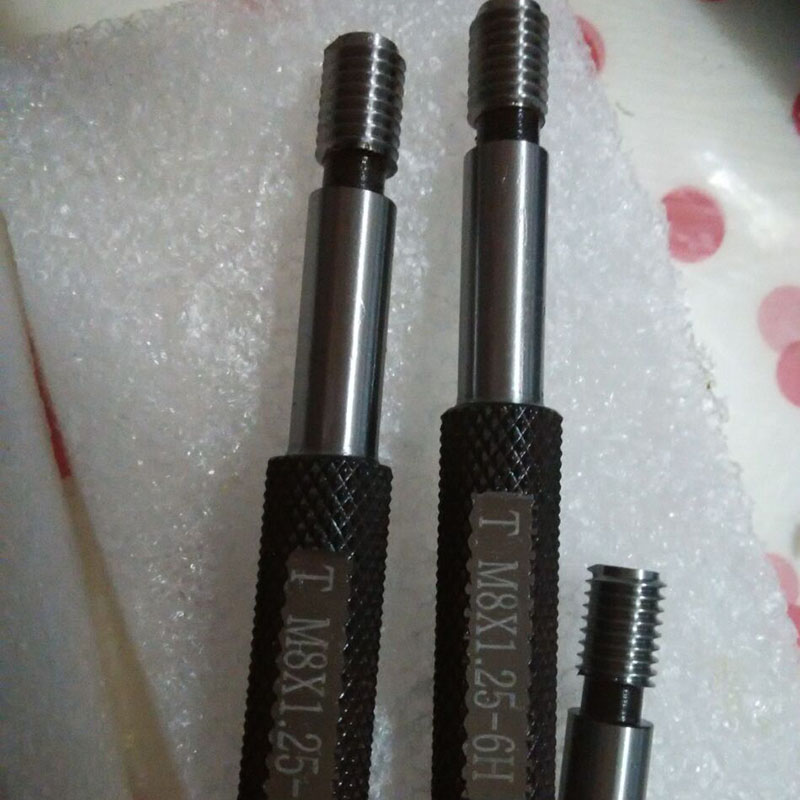
Wskaźnik gwintu g i h
Temat gwintów i narzędzi pomiarowych, takich jak wskaźnik gwintów typu plug gauge, jest niezwykle is
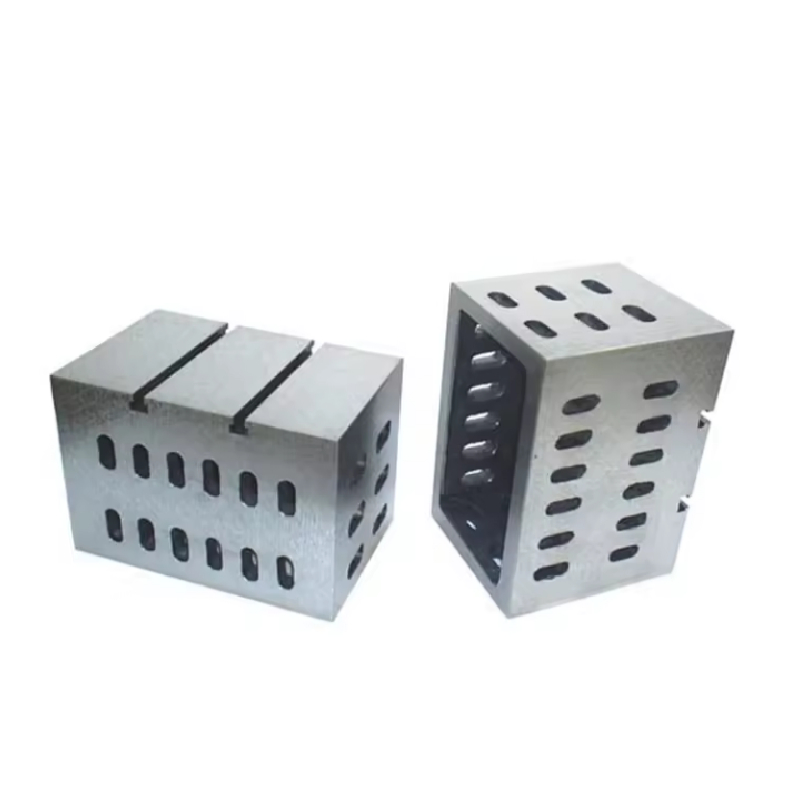
V Blocks Available for Purchase at Great Prices
V Blocks for Sale A Comprehensive Guide V blocks, also known as V-blocks or V-block clamps, are esse
Válvulas de compuerta y globo
Válvulas de compuerta y válvulas de globo Una comparación Las válvulas son componentes esenciales en
 English